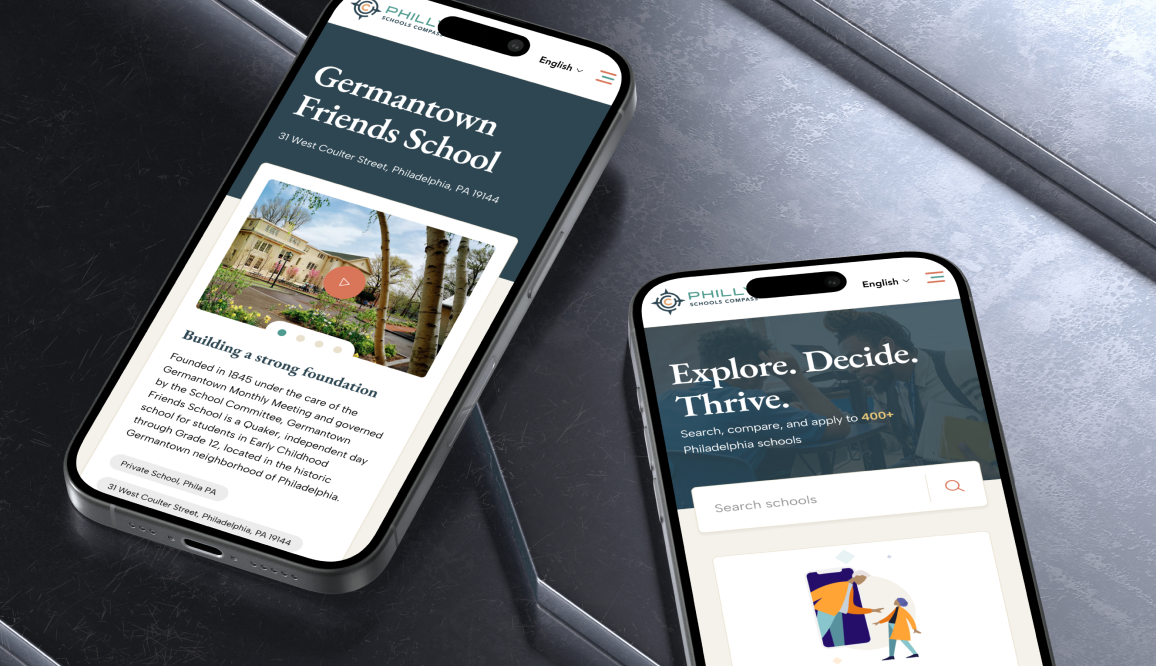





Philanthropi

is a charitable platform structured as a B2BB2C solution for philanthropic contributions.

Team

Product, Engineering,
2 UXDs

Context

Platform growth had plateaued

My Role

Lead researcher + product designer

Product

Web app experience

Constraints

No previous research, unclear product strategy

Outcome

15% increase in user engagement and satisfaction

Myself and team optimized the web experience which spiked a 15% increase in user engagement and satisfaction

Unclear beginnings

20% of donors lost interest in the platform

Upon my inception, the product team had prioritized recurring grants as a mechanism to influence donors to re-contribute and engage with the platform. At this time, the team had no prior VOD (voice of the donor) data to validate their approach, so I leveraged personal networks to run user studies and follow-up interviews to stimulate strategic discussions and syncs.

Insights

Confusion of accounts created by new donors

Broken nomenclature and usability task related issues

No connection with existing tri-state charities

No compelling missions

Catalyzing change while challenging assumptions

"But..we still need to drive grant contributions"

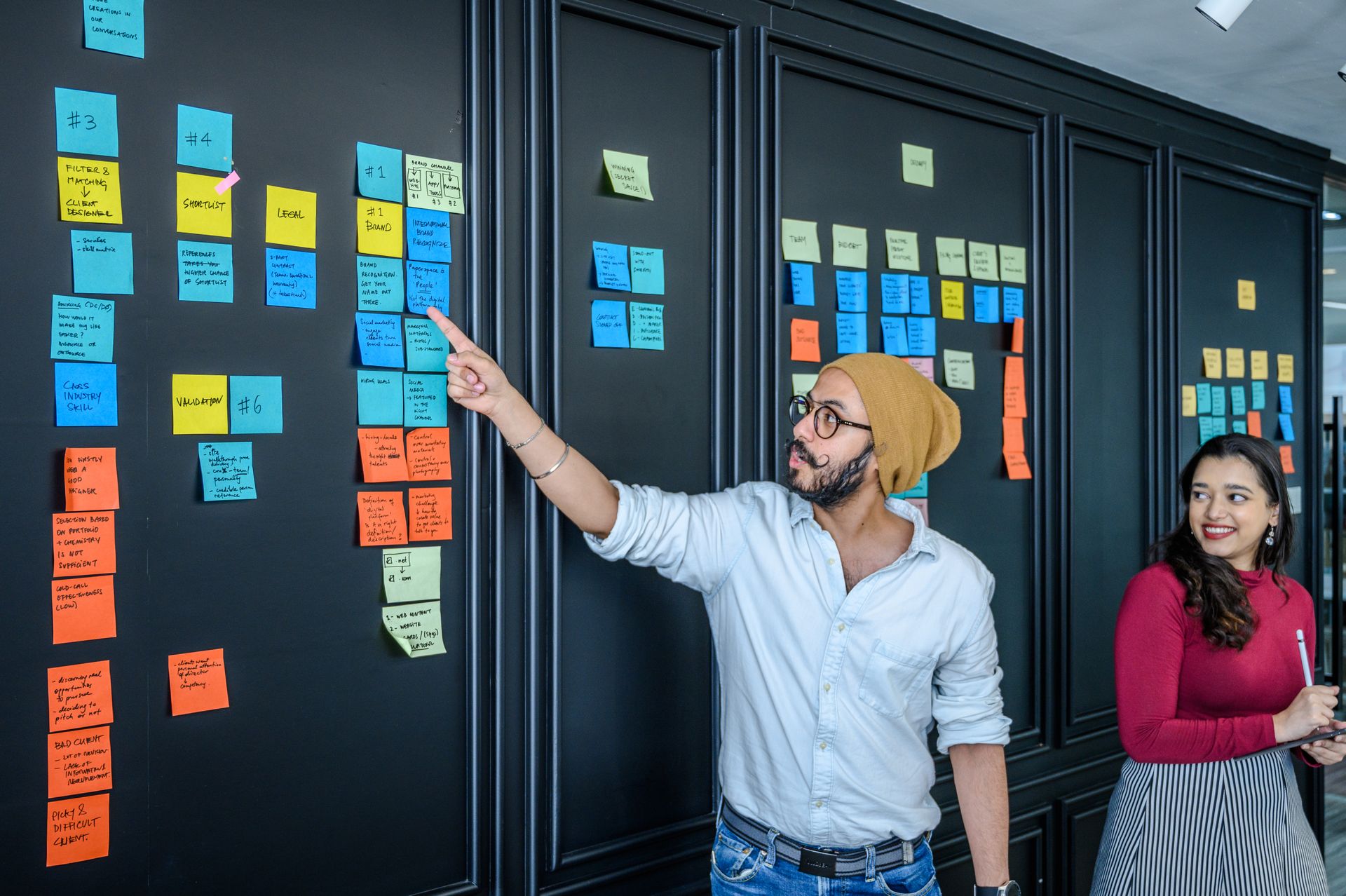
I presented synthesized insights and defined personas for team review but still hadn’t received complete buy in from the broader group. Next, I scheduled and conducted workshops with product and engineering to determine: “How might we increase engagement and charitable contributions?”

Bridging the gap

Thinking strategically

Our concluded workshops helped identify feasible solutions for upcoming sprint planning and considerations for user studies.

Additionally, I began iterating on approaches for optimized onboarding, robust storytelling perspectives, and social influence. My intent was to influence the product direction by prioritizing items from the donor voices.

Optimizing and planning ahead

A value-first MVP

2nd round user studies and NPS, revealed an increase in account completion and charitable discovery. Participants expressed appreciation in reducing the jargon and removing friction from funding their donor accounts.

Additionally, we learned users preferred not to authenticate which was prioritized in later sprints and helped us proactively plan use cases around un-gated content.

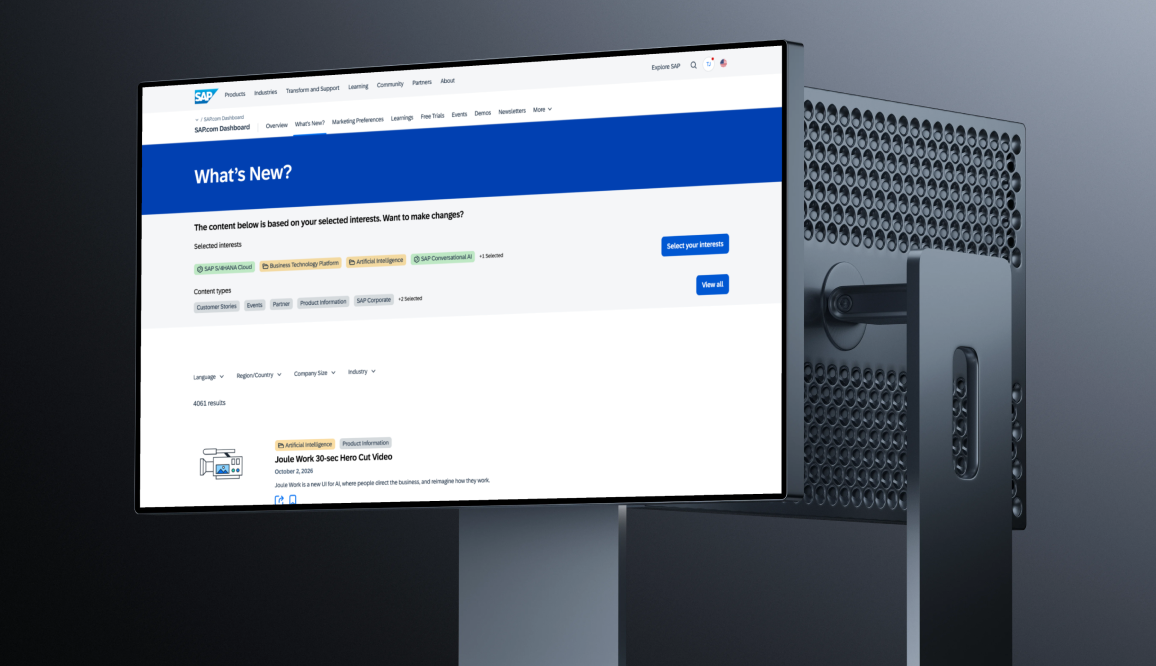
Marketing Information Center

is a centralized location to access and discover all of your personal SAP content

Team

Strategist, 3 developers, SEO, Product owner, designer

Context

No way for customers to manage or access content engagements

My Role

Lead information architect + testing

Product

Customer facing marketing website

Constraints

Limited resources

Outcome

Increased return engagement and registrations

We achieved a 57% increase in return customer engagement and hand-raiser call-to-actions

A multitude of offerings

Content transacting touchpoints

Legacy and net-new customers were transacting across multiple touchpoints with no way to access previously browsed content. This presented challenges for stakeholders to tactfully re-engage customers for new campaigns. To gain context, I performed market analyses to comprehend how personalization was leveraged with direct competitors.

Analyses

Personalization was standardized for account settings

Many interest capabilities were buried

Personalization was primarily cookie-based

Internal biases

How will this drive revenue??

During the project lifespan, the team received negative conjecture around the ROI of the workload. I presented my analysis findings as well as previous Qualtrics surveys to multiple stakeholders to communicate impact. Working directly with the strategist and developers, we brainstormed areas of opportunity (feasible and higher LOE) to appeal to the business.

Selling the narrative

Personalization wins over

Because personalization was (still is) recognized as a top priority, our team visioning piqued general interest with business stakeholders. Next, I created process flows and wireframes for non-authenticated and authenticated audiences. The intent was to not gate content access but to generate interest to further compel new registrations.

What customers care about

Aggregating the content

We spotlighted the existing engagement models (handraisers) across SAP.com and positioned them so that customers and prospects can stay in the know and curate their interests. Concurrently, we ran qualitative studies and surveys to validate our assumptions and resell the value back to stakeholders.

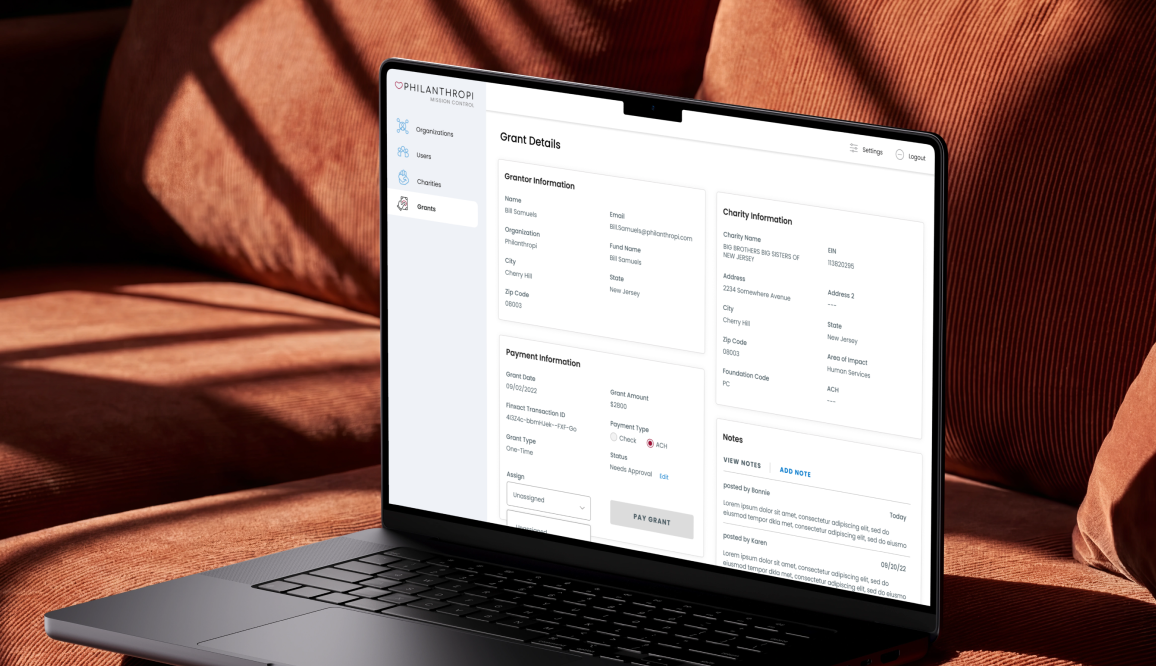
Mission Control

is a back office administrative system for transactional processing and user management

Team

Operations Team, Product, Engineering

Context

Operational processes needed streamlining

My Role

Lead designer

Product

Back office experience

Constraints

Limited resources

Outcome

Increased productivity and efficiency

Our MVP mitigated back-office manual tasks and increased internal team productivity by 30%

A cumbersome workflow

“We need a better way to manage our users”

In today’s digital workspaces, managing transactions should be effortless right? At the time, this wasn’t practical for Philanthropi’s operational team. I tackled the challenge of enhancing a non automated workflow into a productive environment with their Mission Control experience. I ran stakeholder interviews with the operations team and created weekly cadences with the extended group members.

Insights

Our user management system is counterproductive

I can’t keep managing excel spreadsheets

We need some way to automate grants

Getting scrappy

Putting operations first

Our team syncs with product, operations, and engineering involved live design sessions for brainstorming and on the spot prioritization. We addressed essential use cases, while expanding on best practices for enhancing usability, and user controls. Because the company was still in its infancy, this was a good opportunity for operations to re-address their frustrations and business to comprehend the value of Lean UX frameworks.

Accounting for data segments

Building the foundation

Based on the identified segments, I built out various flows and low-fi wires to give the operations team a view of the layers of information and data collection to be accounted for. Next, I ran impromptu user studies with our clickable prototype to get immediate validation for our assumptions.

Digging deeper

Refine and repeat

I leveraged our existing design system to expedite our handoff process, as well as resync with product and operations to determine how we might further enhance productivity with automation? Since we were a few sprints ahead, I was able to vision out and plan for opportunities in interpretability and multi-agent workflows and processes.